
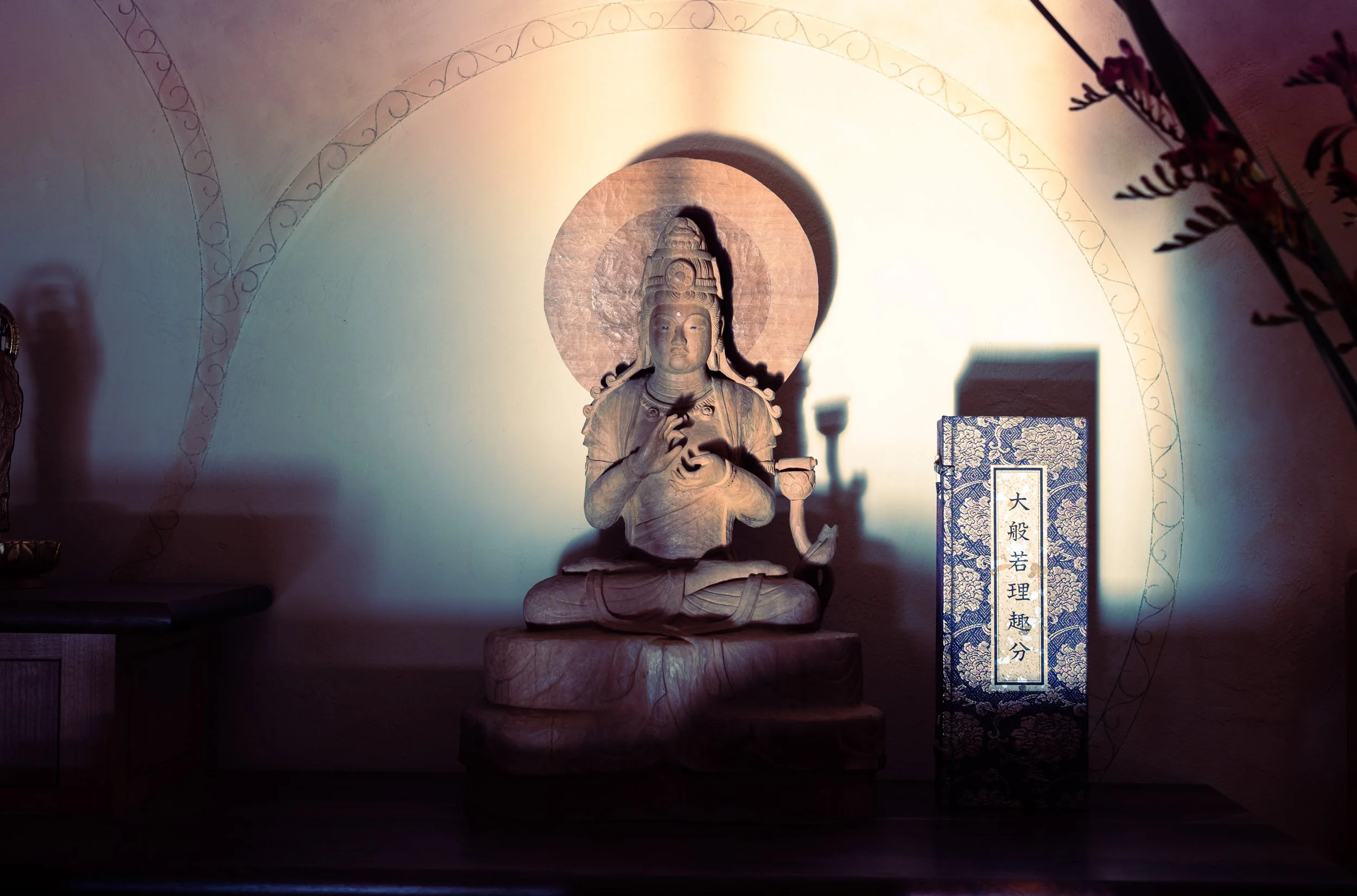
Buddhist Therapy in Eugene, Oregon
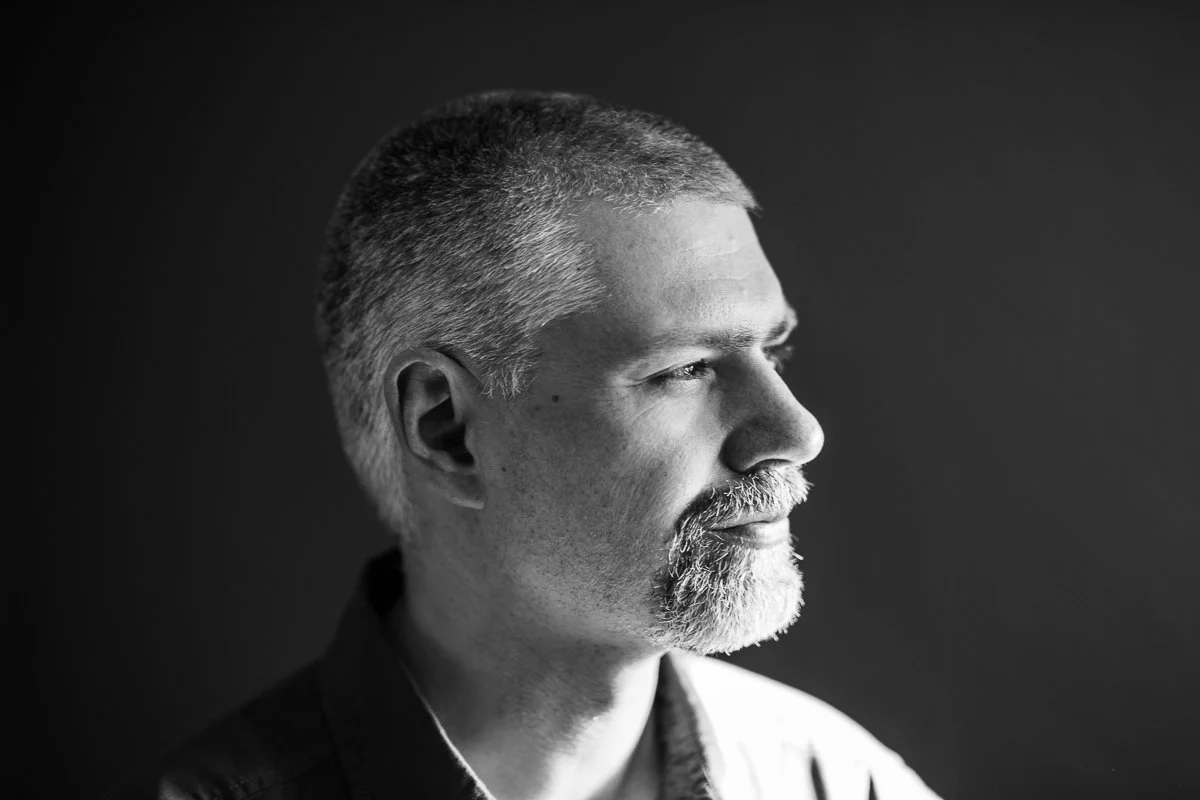
Evan Kaufman, Existential Psychotherapist in Eugene Oregon.
My Path and Experience
My relationship with Buddhist practice began over twenty years ago within the Sōtō Zen tradition. What drew me most to Zen was connection to existential philosophy. As the philosopher Alan Watts once described it, Zen is “the religion of no religion”, in effect an existential expression of the awareness Zen practice cultivates.
After more than a decade of study and formal training, I received lay ordination (Zaike Tokudō) at Buddha Eye Temple in Eugene, Oregon. In time, I came to understand the vows I took as inseparable from my work as a therapist.
Today, I work with clients from all backgrounds and belief systems, whether they wish to explore therapy through Buddhist imagery and language or simply integrate mindfulness and into the therapeutic process. I’m familiar with the broader landscape of Buddhist traditions in North America, including Zen, Theravāda, and Tibetan perspectives, and I welcome clients from all or no religious backgrounds.
The Intersection of Buddhism and Existential Therapy
Both Buddhist psychology and Existential-Humanistic therapy recognize that life involves suffering and that within suffering lies the potential for awakening. Where existentialism speaks of freedom and responsibility, Buddhism explores karma and intention. Existentialism faces meaninglessness, while Buddhism investigates emptiness. Both express that liberation and meaning emerge through our direct and present participation in life. My work as a therapist blends core Buddhist psychological principles with existential and humanistic thought, creating an approach that is both contemplative and evidence based.